You might've heard people talking about GA committees and crisis committees, but what are they really, and which one is better?
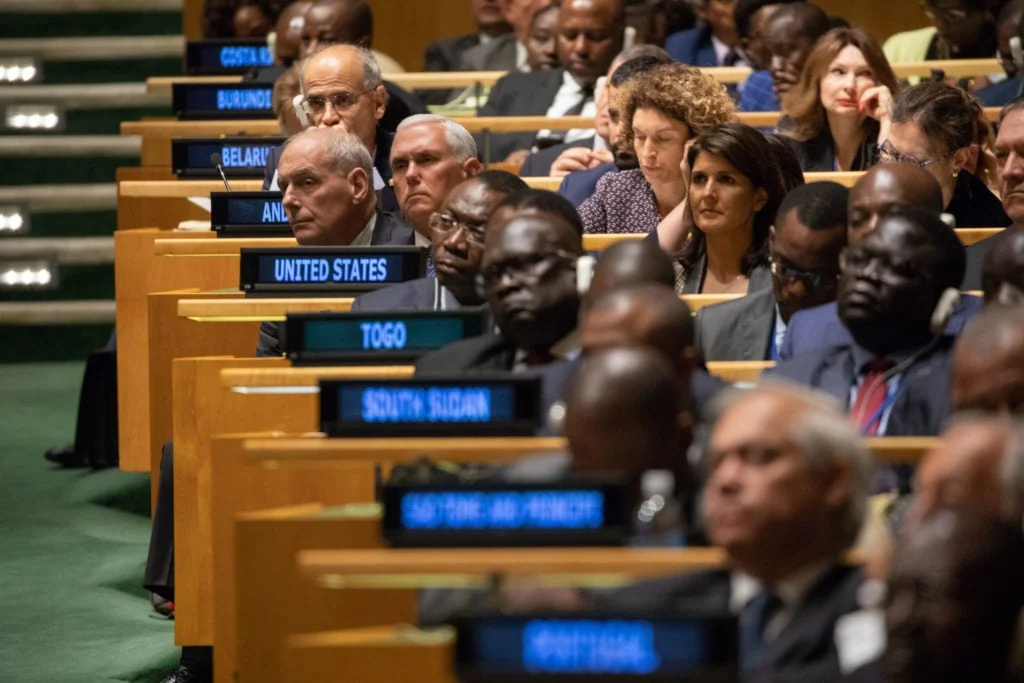
Let's start with GAs. GA stands for General Assembly, and these are the largest and most traditional Model UN committees. In a GA, you represent a country and discuss real-world topics like climate change, global health, or education. During the committee, you'll give speeches and work with others to write resolutions, negotiate, and vote on solutions.
At our upcoming JAMUN conference (JAMUN III), some GA topics will include military defense, cybercrime, and healthcare. GA committees are usually more structured and slower-paced, which is super helpful when you're learning the ropes of Model UN. You get more time to prepare your arguments, build strong points, and learn the ins and outs of formal debate. It's also a great place to practice teamwork and public speaking.
Now let's talk about crisis committees.
Instead of representing a country, you usually represent a character-like a president, general, or historical leader. Crisis committees are built around a story that changes as the committee reacts to events. You'll still make speeches and work with others, but a lot of the action also happens through crisis notes. These are private messages you send to the crisis staff to make moves behind the scenes—like sending troops somewhere, making a secret deal, or even plotting something dramatic. Crisis committees move quickly and can be a bit intense, but they're also super fun and rewarding.
So which one is better, GA or Crisis?
The truth is—it depends on you!
GA committees are a great choice for beginners. They're a helpful introduction to the world of Model UN, and there's usually a mix of experienced delegates and first-timers, which means you'll learn a lot from the people around you. GA is especially good if you like having more time to prepare speeches and prefer diving deep into a single topic.
Crisis, on the other hand, is great for students who have some experience with MUN and are ready for a faster pace. If you enjoy solving problems quickly, thinking outside the box, and adding some drama to the debate, crisis might be your perfect fit. A lot of advanced delegates like crisis for its exciting parts, but almost all of them started in GA to build their foundation.
Every section in Model UN requires creativity, teamwork and debate, but each committee and offer you something different. Choosing a committee depends on your personality, and what skill you want to build.
Here's a little cheat sheet to give you some more guidance when deciding on a committee:
| If you like… | Try… |
|---|---|
| Teamwork and real-world issues | GA Committee |
| Writing formal resolutions | GA Committee |
| More time to write speeches | GA Committee |
| Fast-paced thinking and drama | Crisis Committee |
| Creative storytelling and surprises | Crisis Committee |
| Sending secret notes and strategies | Crisis Committee |
If you're brand new to MUN, GA is probably the better choice. It teaches you the basics and gives you time to grow. If you've already been to a few conferences and want to try something bold and fast, crisis is a fun next step.
Ask your advisor or teammates if you're still not sure. And don't be afraid to try both because each one teaches you something different!
If you still have questions, feel free to reach out to me at 261shahs@student.dist113.org. I'd be happy to help.
Good luck, you'll do great no matter which committee you choose. We can't wait to see you at the next JAMUN!
Sincerely,
Sahana Shah