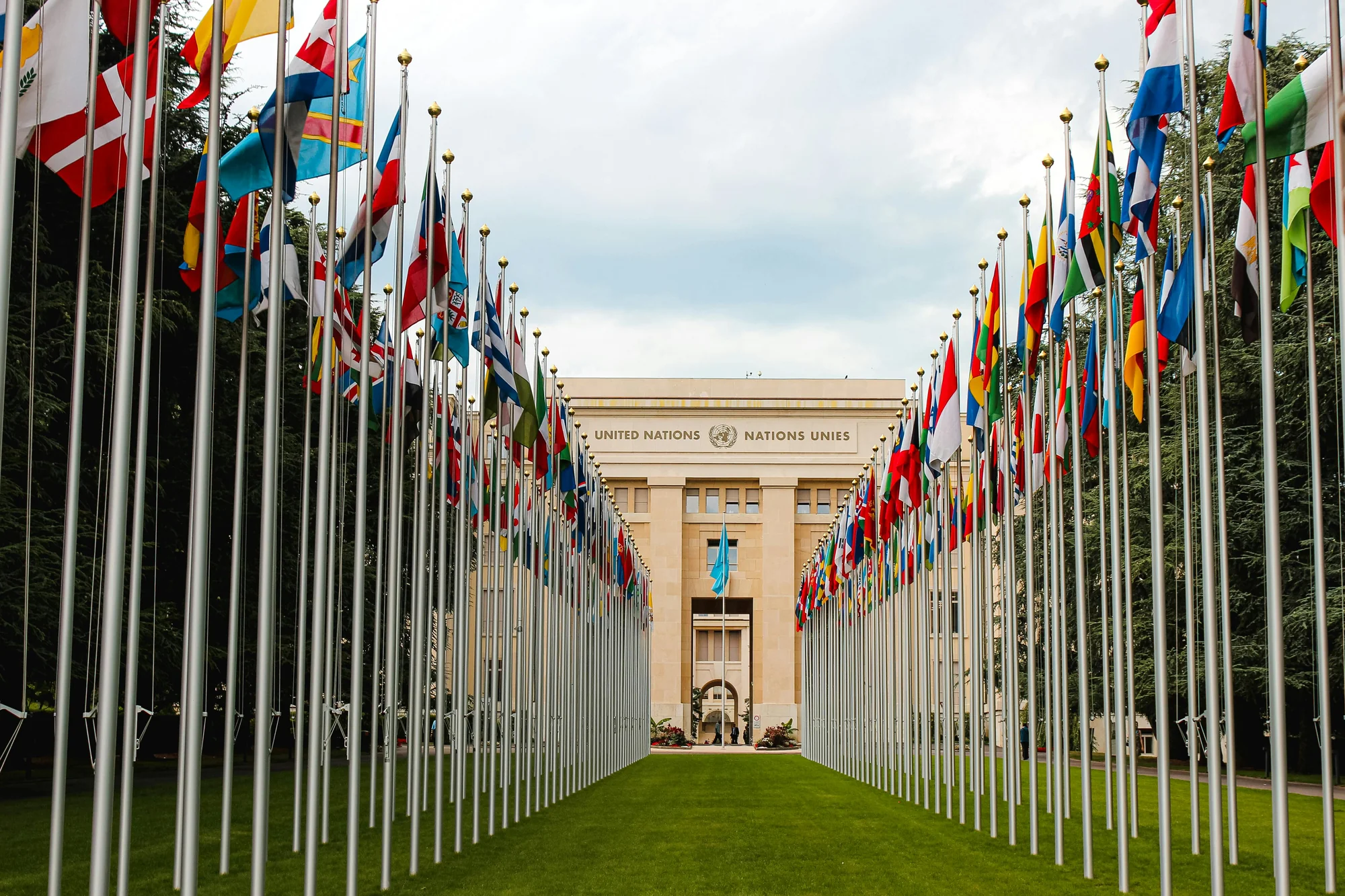
The United Nations was founded on the belief that the world must work together to achieve peace, security, and development. Model United Nations (MUN) instills these same principles in its delegates by encouraging them to find common ground, build consensus, and negotiate—all while practicing diplomacy.
Model UN changes lives by transforming young people into global thinkers and future leaders. While MUN may seem like a simple simulation, its impact goes far beyond debates and draft resolutions. MUN delegates don't just learn about international issues—they experience them.
One of the most direct connections between the UN and MUN is the core concept of multilateralism. Learning to work collaboratively across national and ideological boundaries is a skill essential to international diplomacy. Many of the topics debated in MUN mirror the most urgent issues the UN faces today, such as climate change, disarmament, refugee crises, and global health. This helps students become informed citizens who understand and engage with the world's most pressing challenges.
As someone who has both participated in MUN and attended the United Nations Commission on the Status of Women (CSW), I can confidently say that these experiences change lives. MUN gave me the opportunity to explore complex global issues—like the refugee crisis and women's representation—and when I attended the UN, I met young people advocating for solutions to these very problems. They were raising their voices, leading discussions, and creating change—skills they had developed through MUN.
At one seminar, I met an incredible young woman speaking out against child marriage. She was passionate, eloquent, and truly inspiring. After her talk, I had the chance to meet her and ask what sparked her advocacy. She shared that it all began with a resolution she drafted in her high school MUN conference. That single moment ignited a lifelong commitment to women's rights—and now, she's changing policies, inspiring others, and making a real impact at the UN.
Personally, MUN gave me the courage to speak out and the confidence to use my voice. It led to my own opportunity to speak at the United Nations about financial education for young women—an experience that reinforced my belief in the power of youth voices to drive change.
Time and time again, we see that MUN is more than a simulation. It bridges the gap between classroom discussion and real-world diplomacy. MUN doesn't just reflect the mission of the United Nations—it empowers the next generation to carry that mission forward.